
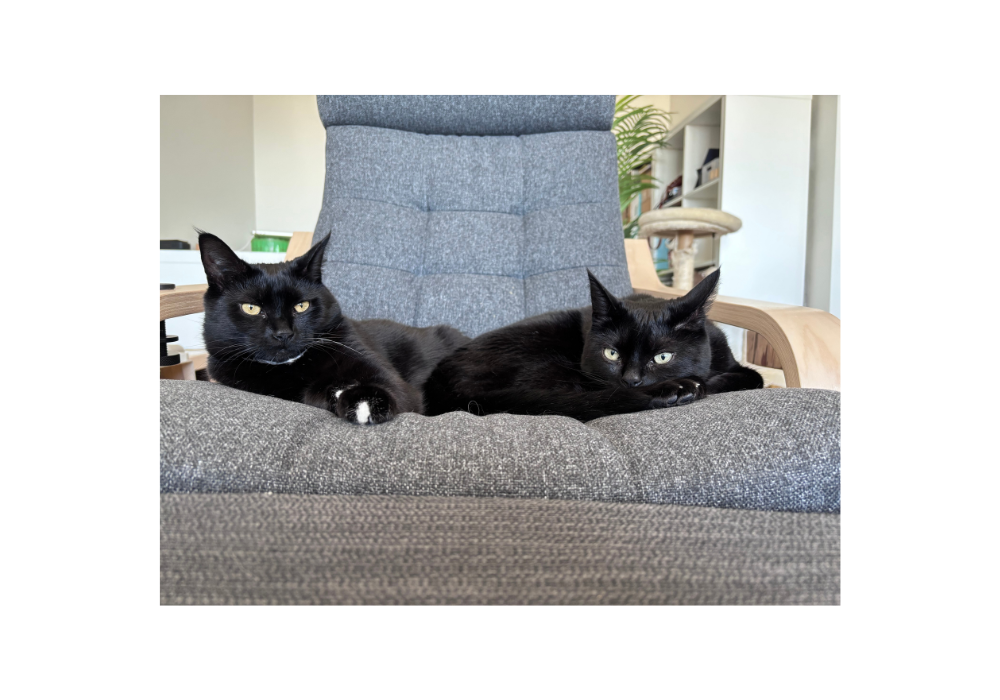
Grief is often thought of as an emotional experience, but many people notice that it also shows up in the body.
After the loss of an animal companion, you may feel tired, restless, heavy, or unsettled in ways that are difficult to explain. These responses can feel unfamiliar, especially if you expected grief to be something you think about or feel emotionally rather than something you feel physically.
How grief lives in the body
The bond you shared with your animal companion was not only emotional. It was also physical and sensory. You may have been used to their presence through touch, movement, sound, smell, and routine.
When that presence is no longer there, the body can feel the absence. This may show up as tension, fatigue, changes in sleep or appetite (more or lack of), or a general sense of unease.
The nervous system and loss
The nervous system plays an important role in how we experience connection and safety. For many people, an animal companion provides comfort, stability, and a sense of calm.
When that source of comfort is gone, the body may take time to adjust. Feelings of restlessness, heaviness, or emotional overwhelm can be part of this process.
These responses are not something to fix. They are part of how the body responds to loss.
Listening to your body gently
When grief shows up physically, it can be helpful to approach your body with curiosity rather than frustration.
You might notice when you feel tired, when your body feels tense, or when emotions seem to rise unexpectedly. These are signals, not problems.
Allowing yourself rest, slowing down when possible, and acknowledging what you are feeling can support your body as it adjusts.
A gentle closing
If grief has been showing up in your body, you are not imagining it. These responses are part of how loss is experienced and processed.
Grief can feel different from day to day, and there’s no right way to move through it.
If you are looking for pet loss counselling in Victoria, BC or online, support is available when you feel ready.